Jellyfish. No brain, no problem.
No brain, no heart, no bones. And still successfully around for hundreds of millions of years. How is that even possible?
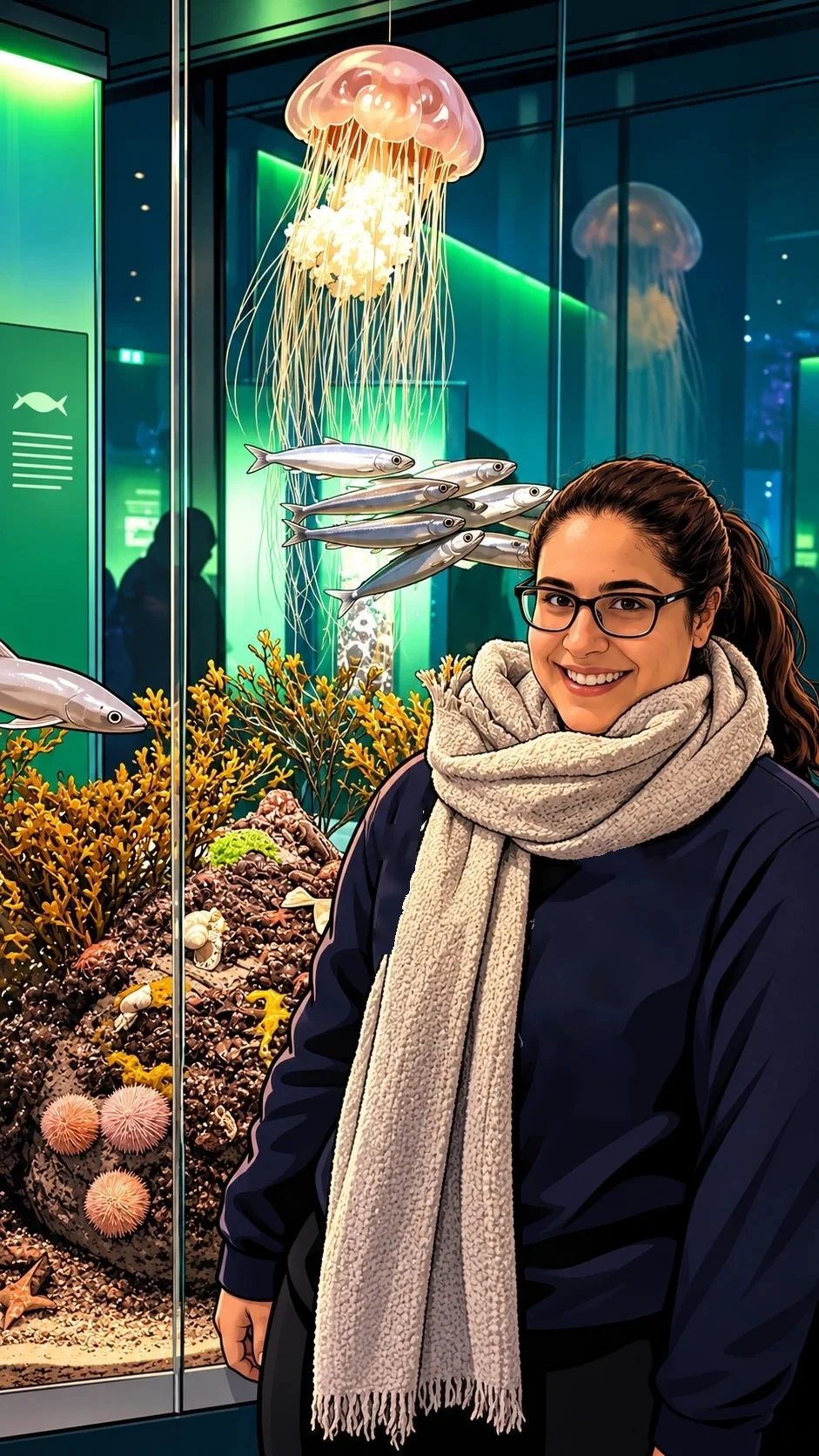
I have always been drawn to things that make no sense at first glance. Phenomena that turn our expectations upside down and inevitably make you ask: how on earth does that work?
For me, jellyfish belong in exactly this category.
When I stand in front of a tank and watch these almost transparent beings, I find it hard to believe that I am looking at a living creature that gets by without a central brain. No complex thinking centre coordinating every movement. Instead a comparatively simple nerve net that processes stimuli and makes movement possible.
And this has not only been working since yesterday. Jellyfish and their relatives have populated our oceans for hundreds of millions of years.
Somehow this reminds me of the story of the bumblebee. For a long time it was said that, according to the laws of aerodynamics, it should not be able to fly at all. Of course that has long been scientifically disproved. But I like the thought behind it: just because we do not understand something at first does not mean it is impossible.
Maybe that is exactly what fascinates me so much about nature. It does not stick to our ideas of how something should look or work. It develops solutions we would probably never have come up with ourselves.
And sometimes it simply does not take a brain to be pretty successful for millions of years.
That is why what looks to me like a simple museum visit often ends with a whole mountain of new questions.
How does a living being without a brain find its way? How does it perceive its environment? And what can we learn from organisms whose structure is so fundamentally different from ours?
Maybe that is the most beautiful insight in the whole thing:
Nature does not have to seem logical to us. We only have to be curious enough to want to understand it.